Building Content AI Wants to Quote: The Citable-Block Method
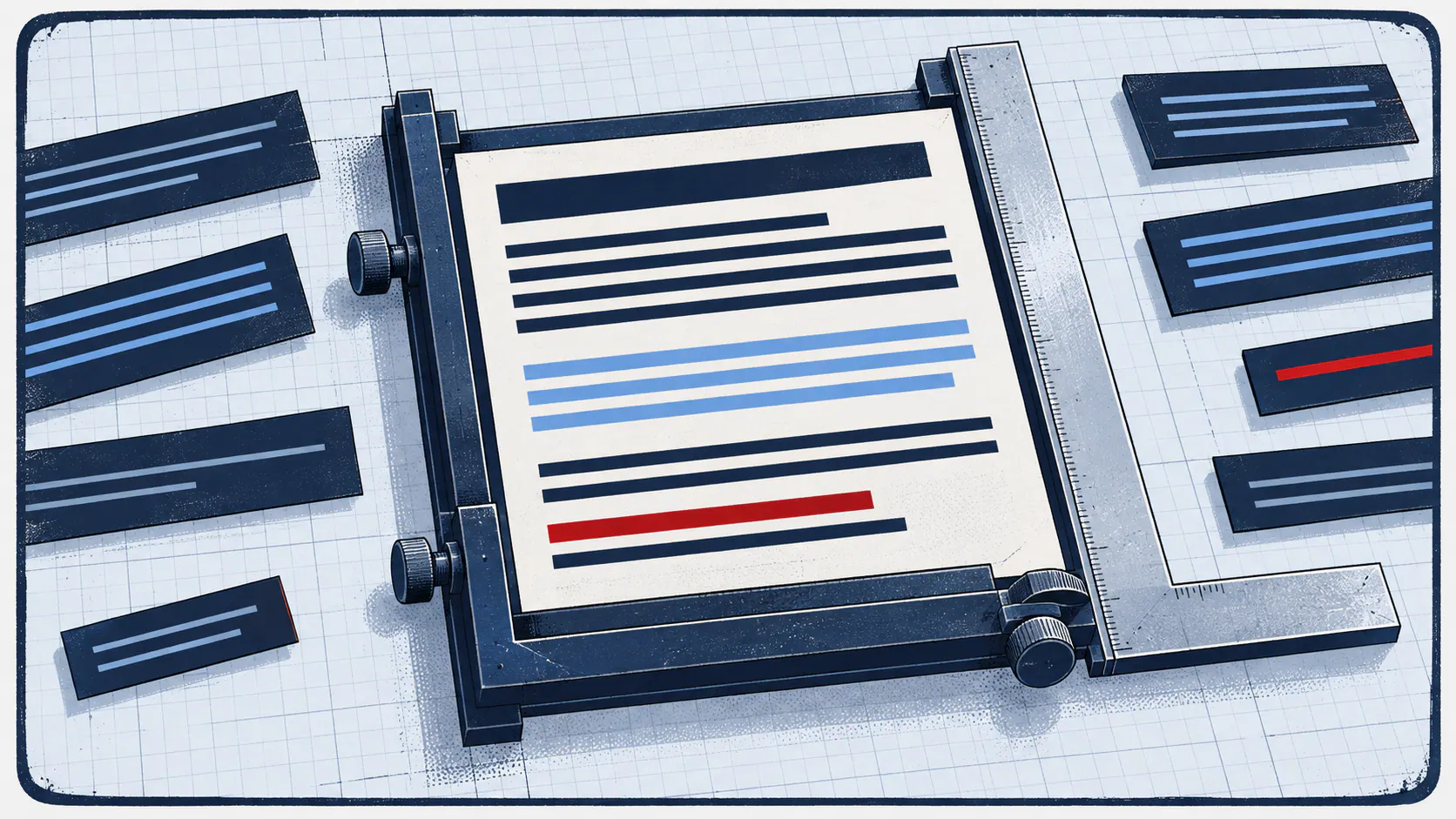
A practical writing pattern for self-contained answers: lead with the answer, name the subject, back it with evidence, and add something only you can say.
After enough audits, I got tired of telling clients “make your content more citable” and watching them nod politely with no idea what to do on Monday. It’s true advice. It’s also useless advice, because it describes an outcome instead of a method. So we turned what we kept seeing in cited content into a writing pattern any team can follow, and we’ve been refining it on our own pages and our clients’ ever since.
We call it the citable-block method. It’s not a trick and it won’t guarantee anyone a citation; nothing can. What it does is reduce structural reasons good content can get passed over, so your expertise has a fair shot at supporting an AI answer, whether the system quotes it or synthesizes it. Fair warning: this post is written using the method, so if you want to see it in action, just notice how each section is put together.
What is a citable block?
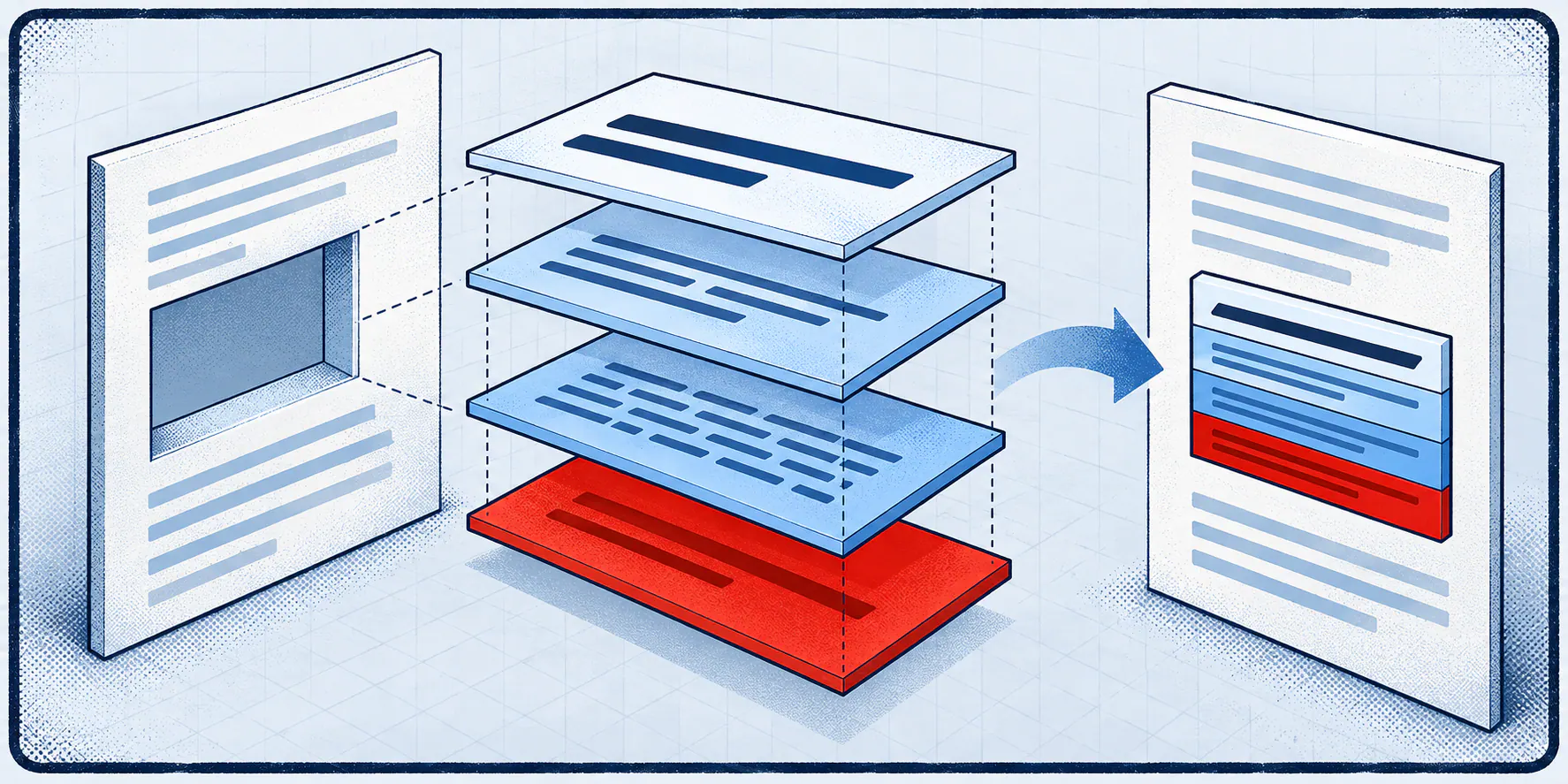
A citable block is a section of content built to make sense when extracted. It answers one specific question, opens with that answer, and carries its own context and evidence. Our editorial target is about 200 to 400 words: enough room for a real answer with support, while keeping the section focused. That range is a writing guideline, not a universal retrieval limit. Systems can split or combine content differently, so no word count guarantees that a section stays in one chunk.
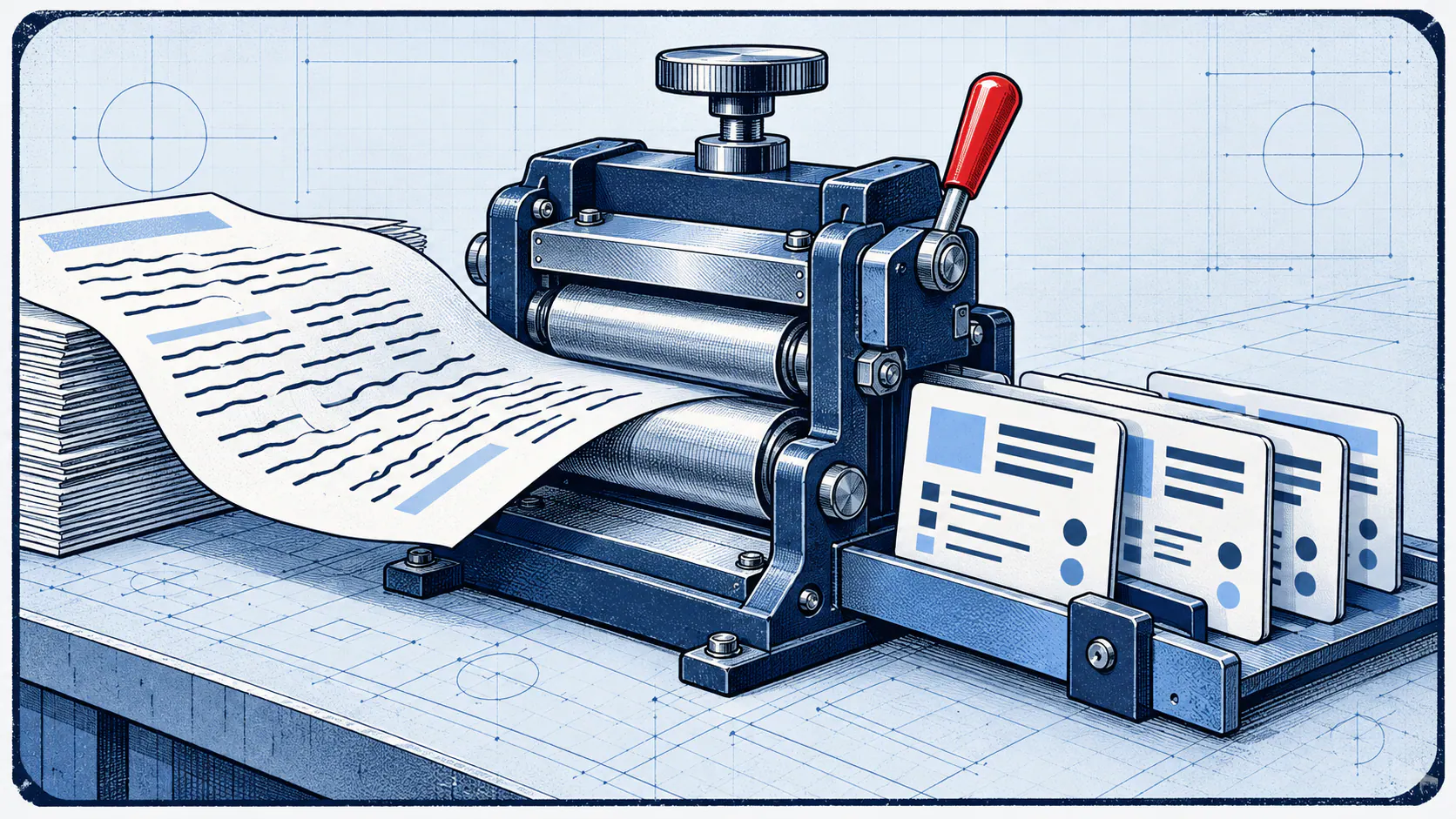
The reason this matters is the way many AI retrieval systems use content. They can break pages into passages and select relevant evidence alongside page- and source-level signals, a process we explained in Passage Retrieval 101. A citable passage is simply one that survives that process with its meaning intact. The citable-block method is how you produce those on purpose rather than by accident.
Step 1: Lead with the answer
Put the direct answer to the section’s question in its first one or two sentences, before any background, caveats, or storytelling. This is answer-first content, and it’s the single biggest structural change most teams can make.
Writers resist this because it feels abrupt. We’re trained to build up to a point. But putting the answer near the top makes it easier to find, both for a retrieval system using the passage and for the executive skimming your page between meetings. That’s a clarity recommendation, not a universal scoring rule. Lead with the payoff, then earn it. Notice that this section’s first sentence is the instruction itself, not a warm-up.
Step 2: Make each block stand on its own
Every block should make complete sense if a stranger read it with nothing else from the page. In practice, that means naming your subject in the block instead of pointing back with “it,” “this approach,” or “as mentioned above.” It means restating the key term rather than assuming the reader saw its definition three sections earlier.
This feels repetitive when you read the whole page top to bottom. But a retrieval system may encounter a passage separately from its neighbors, even when it also uses broader page and source context. Repeating your company name, product name, or the core term once per block is a small cost for a passage that stays accurate when extracted. It also keeps your entity clearly attached to the claim, making the source less ambiguous than a vague “one provider.” That helps attribution; it doesn’t guarantee a citation.
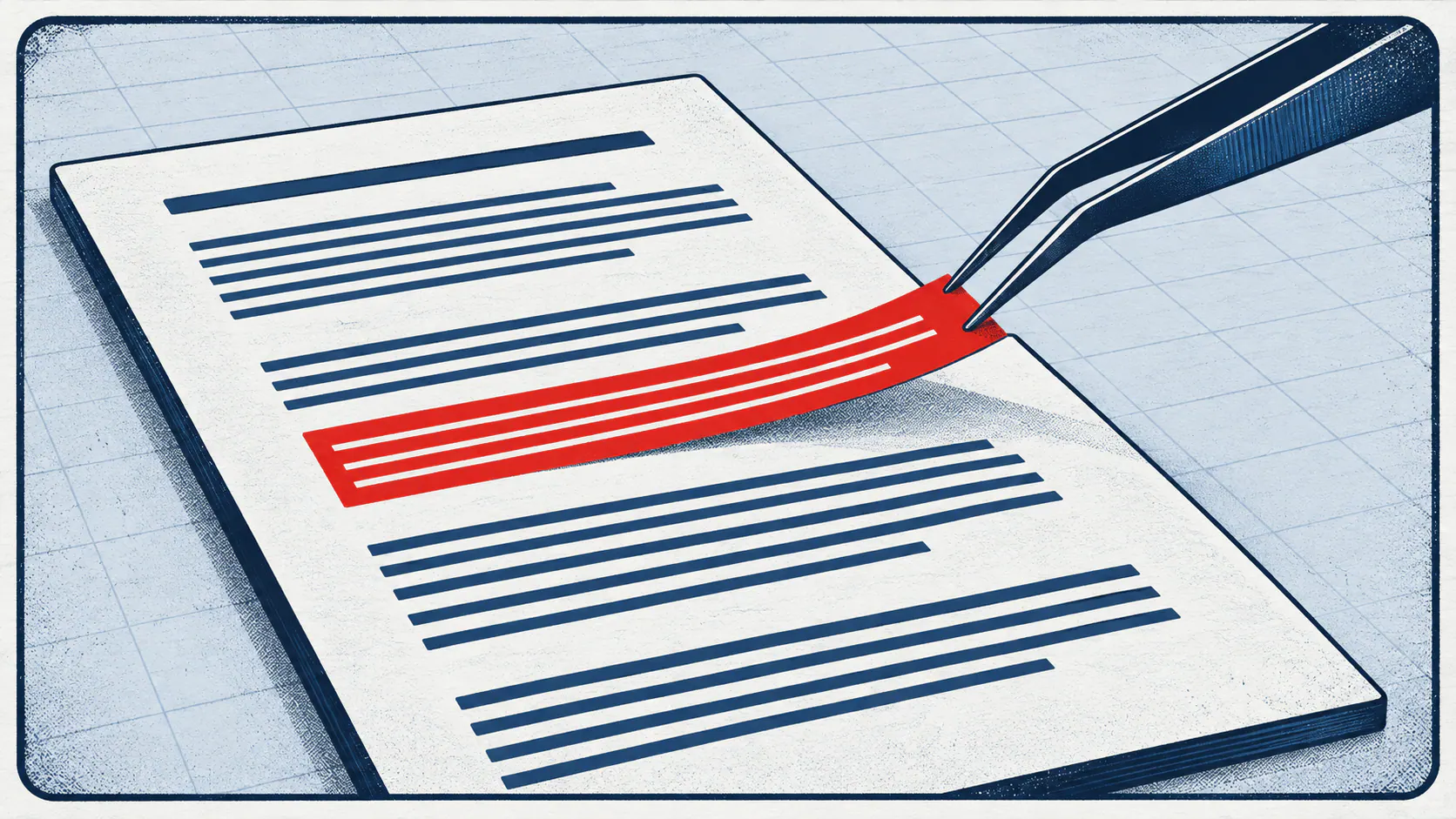
“Write every section as if it’s going to be torn out of the page and handed to a stranger. Because that’s how it may be encountered.”
Step 3: Back every block with something checkable
Each block needs at least one claim a reader, or a machine, could verify: a specific number, a date, a named standard or source, or a concrete firsthand result. Vague assertions like “industry-leading” or “significantly faster” give a retrieval system nothing to anchor to and give a reader nothing to trust.
Name where the claim comes from. Source attribution inside the block tells both people and systems that the statement is grounded, not invented. When the evidence is your own, say so plainly: “across the audits we ran this year” is more credible than an unattributed percentage. This is where the method overlaps with E-E-A-T: specific, sourced, experience-backed claims are the visible evidence of expertise.
Step 4: Add what only you can say
Structure makes a block easier to use. Substance gives it a reason to be cited. If your block says the same thing as fifty other pages, it offers little distinctive material for an AI system to attribute to you. The concept here is information gain: what does this passage add that the other candidates don’t?
For most businesses, the answer is already sitting in their own work. A result from a real engagement. A cost range from your own quotes. A pattern your team sees that the generic advice misses. A clear, defensible opinion. One genuinely original detail per block can help distinguish a competent passage from one worth citing, without ensuring that any system selects it.
Our AI Visibility Report shows exactly which pages are indexed and your site’s exact authority metrics.
Putting it together: a block template
Here’s the skeleton we hand to writers. It isn’t a fill-in-the-blanks form, more a checklist in the shape of a section:
## [The question, phrased the way your buyer would ask it]

[Direct answer in 1–2 sentences, naming the subject explicitly.]

[Context: when the answer applies, when it doesn't — 1 short paragraph.]

[Evidence: a number, date, named source, or firsthand result,
 attributed inside the paragraph that makes the claim.]

[Information gain: the detail only your team could provide.]

[Optional next step: where the reader goes for more.]
[Target: ~200–400 words. Re-read it with the rest of the page deleted.]Where to start
Don’t rewrite your whole site. Pick the five pages tied to the questions your buyers ask most, and rebuild each key section as a citable block: answer first, subject named, one verifiable claim, one original detail. Then publish, and give it time; search indexes and cached sources may need to refresh before changes appear in answers, while some systems can fetch updated pages directly. Neither a recrawl nor the method guarantees a citation.
Doing this one page at a time works, and it’s the heart of how we approach Generative Engine Optimization. Doing it across an entire site, and keeping your facts consistent everywhere a machine might look, is where LLMS AmplifierTM comes in, by structuring your site’s knowledge into a layer language models can read directly. The answer-first structure itself comes from Answer Engine Optimization, and if you want more worked examples, every post on the MAXPlaces blog from here on is written with this pattern.
Frequently asked questions
How long should a citable block be?
Roughly 200 to 400 words is our editorial guideline, not a platform requirement or a guarantee that a system will keep the section in one chunk. Use enough space for a real answer with context and evidence. The more important test is whether it makes sense when read alone.
Will the citable-block method guarantee AI citations?
No. Nothing can guarantee a citation, because AI systems weigh many factors outside any one page. The method reduces structural reasons good content can get skipped, which gives your expertise a fair chance to be selected.
Doesn't repeating the subject in every section read awkwardly?
Slightly, when you read the page top to bottom. But retrieval systems may evaluate a passage separately from neighboring sections, even when they also use page and source context. A passage that names its subject stays accurate when extracted. Naming the subject once per block is usually enough.
What counts as "information gain"?
Anything your block adds that competing pages don't: original data, a result from your own work, a specific cost range, or a clear expert judgment. It gives a system a distinctive reason to cite your passage over others that say the same thing, without guaranteeing a citation.
Brian Winum writes about GEO, AEO, technical SEO, entity authority, and AI-search visibility for MAXPlaces Marketing.